Tips for Creating a Relaxing Home Office Environment
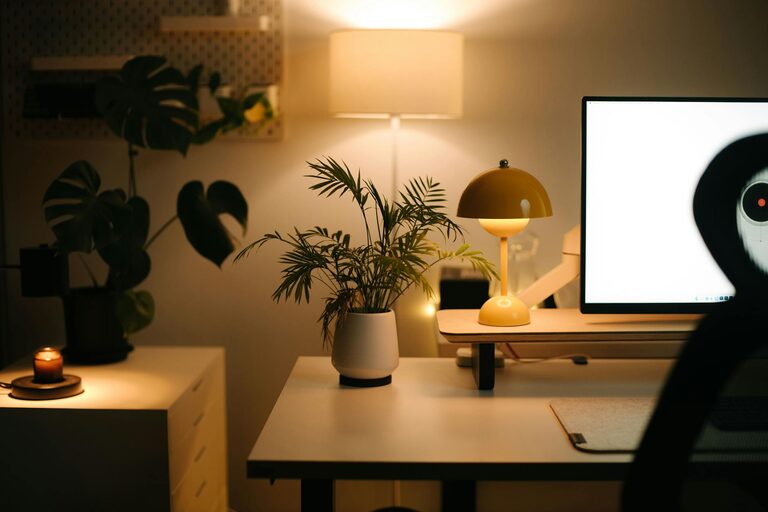
Creating a relaxing home office environment is essential for staying productive, focused, and comfortable while working. Whether you’re new to remote work or have been working from home for a while, having a space that feels calm and organised can make a significant difference to your well-being and output. Here are some practical tips to help you create a workspace that supports both relaxation and productivity.
Choose the Right Location
Selecting the right spot in your home is the first step in designing a relaxing office space. Ideally, this area should be:
– Quiet: Away from high-traffic areas or noisy appliances.
– Bright: Near a window for natural light, which can improve mood and alertness.
– Private: A spot where you can focus without constant interruptions.
If space is limited, consider using room dividers or screens to visually separate your office from the rest of the home.
Invest in Comfortable Furniture
Comfort is key to creating a relaxing office. Invest in:
– Ergonomic Chair: Supports your back and encourages good posture.
– Adjustable Desk: Consider a standing desk or one with adjustable heights to switch positions throughout the day.
– Adequate Desk Space: Enough room to keep your essentials organised without clutter.
A comfortable setup reduces fatigue and helps maintain your concentration over long periods.
Use Soothing Colours and Decor
The colours and decor in your workspace can influence your mood and focus. Consider:
– Soft, Neutral Tones: Shades like light grey, pastel blue, or cream promote calmness.
– Greenery: Adding plants can improve air quality and provide a relaxing natural element.
– Minimalist Decor: Avoid clutter by choosing simple and meaningful items that inspire you.
Personalise your space with photos or art that make you happy, but avoid overcrowding the area.
Optimise Lighting
Proper lighting plays an important role in creating a relaxing atmosphere:
– Natural Light: Position your desk near a window to benefit from daylight.
– Task Lighting: Use adjustable desk lamps to reduce eye strain during focused work.
– Avoid Harsh Lighting: Soft, warm lights are easier on the eyes than bright fluorescents.
Adjust your lighting throughout the day to match your needs and prevent fatigue.
Declutter and Organise
A tidy space promotes a clear mind. Strategies include:
– Storage Solutions: Use shelves, drawers, or organisers to keep documents and supplies in order.
– Daily Clean-Up: Spend a few minutes at the end of each day tidying your desk.
– Digital Organisation: Keep your computer files organised to reduce digital clutter.
An organised workspace helps reduce distractions and contributes to a sense of calm.
Incorporate Relaxing Elements
Adding elements that bring peace and comfort can create a more inviting environment:
– Aromatherapy: Use subtle scents like lavender or eucalyptus with diffusers or candles to promote relaxation.
– Soft Textiles: A cosy rug, cushions, or a throw can soften the space.
– Music or White Noise: Play gentle background music or nature sounds if they help you focus.
Experiment with these elements to find what best helps you unwind.
Set Boundaries and Routines
A relaxing office isn’t just about the physical space; your habits matter too:
– Defined Work Hours: Keep regular start and finish times to maintain balance.
– Breaks: Take short, frequent breaks to rest your eyes and stretch.
– Digital Boundaries: Turn off work notifications outside office hours.
Creating these boundaries helps separate work from personal life, reducing stress.
Keep Technology Comfortable and Efficient
Technology can either enhance or detract from your comfort:
– Cable Management: Use clips or boxes to keep cords organised and out of sight.
– Ergonomic Accessories: Consider an external keyboard or mouse to reduce strain.
– Good Internet Connection: Ensure your setup runs smoothly to avoid frustration.
Having technology work seamlessly supports a relaxed working mindset.
Final Thoughts
A relaxing home office environment combines thoughtful design, organisation, and good habits. By focusing on comfort, lighting, decluttering, and personal touches, you can create a space that feels welcoming and helps you achieve your best work. Start making changes today to transform your workspace into a calming haven that supports your productivity and well-being.
Remember, the perfect home office is one that suits your personal needs and preferences. Feel free to try out different setups until you find what works best for you.