Tips for Creating a Relaxing and Productive Home Office Environment
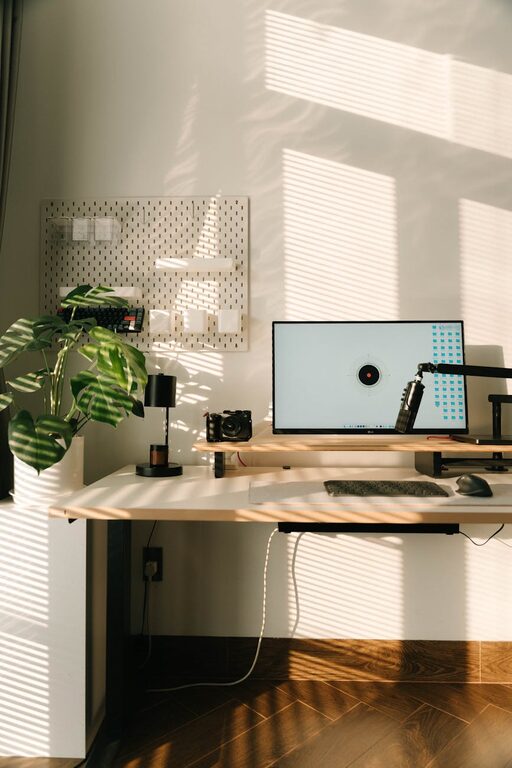
Creating a home office that balances productivity with relaxation is essential for anyone working remotely or spending significant time at home. A well-designed workspace not only supports work efficiency but also helps reduce stress and maintain a healthy work-life balance. Below are practical tips to help you craft a home office environment that inspires focus and comfort.
1. Choose the Right Location
Your home office location sets the foundation for your work environment. Ideally, pick a spot that is:
– Quiet and low-traffic: Minimising noise and interruptions improves concentration.
– Well-lit with natural light: Sunlight boosts mood and alertness.
– Separate from leisure areas: Helps maintain boundaries between work and rest.
If space is limited, consider using room dividers or screens to create a distinct office zone.
2. Invest in Ergonomic Furniture
Comfort is key to maintaining productivity throughout the day. Consider:
– An ergonomic chair: Supports your back and promotes good posture.
– A sturdy desk at the right height: Allows for comfortable typing and writing.
– Adjustable monitor stands: Position screens at eye level to prevent neck strain.
Taking care of your physical health reduces fatigue and discomfort during work sessions.
3. Optimise Lighting
Good lighting reduces eye strain and enhances the atmosphere of your workspace.
– Use natural light whenever possible: Position your desk near a window.
– Add a quality desk lamp: Adjustable lamps provide focused lighting for tasks.
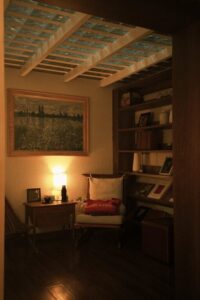
– Avoid harsh overhead lights: Soft, warm lighting creates a calming environment.
Consider installing dimmable lights to tailor brightness throughout the day.
4. Organise Your Space Thoughtfully
Clutter can distract and increase stress. Keep your office tidy by:
– Using storage solutions: Shelves, drawers, and boxes help keep essentials organised.
– Decluttering regularly: Remove unnecessary papers and items.
– Arranging frequently used items within reach: Saves time and maintains flow.
A neat area creates a sense of order, allowing you to focus better on your work.
5. Incorporate Personal Touches
Adding elements that you enjoy can make your home office feel inviting.
– Add plants: Indoor greenery improves air quality and adds colour.
– Display artwork or photos: Inspires creativity without causing distraction.
– Choose calming colours: Blues, greens, and neutrals promote relaxation and focus.
Balancing professionalism with comfort helps sustain motivation.
6. Control Noise Levels
Background noise can either disrupt or aid concentration, depending on how it is managed.
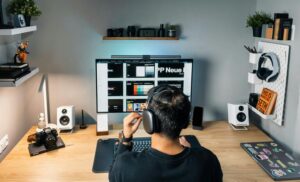
– Use noise-cancelling headphones: Ideal for focusing in noisy environments.
– Play soft instrumental music: Some people find this enhances productivity.
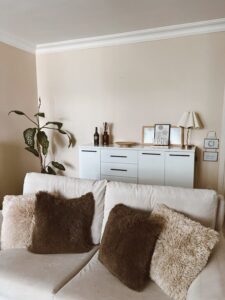
– Add soft furnishings: Rugs, cushions, and curtains absorb sound.
Tailor your sound environment to your personal preferences.
7. Maintain Good Air Quality
Fresh air helps keep you alert and comfortable.
– Open windows regularly: Even a brief airflow exchange refreshes the room.
– Use an air purifier if needed: Particularly useful in confined spaces.
– Choose low-maintenance indoor plants: They can naturally improve air quality.
Avoid stuffing your office with too many items that could trap dust or allergens.
8. Set Boundaries and Daily Routines
A well-arranged home office supports clear work-life boundaries.
– Define your working hours: Sticking to a schedule helps transition in and out of work mode.
– Take regular breaks: Stretching or short walks increase alertness.
– Turn off work devices after hours: Minimises burnout and encourages relaxation.
Routine creates rhythm and helps maintain balance when working from home.
9. Integrate Technology Seamlessly
Having the right tools reduces frustration and saves time.
– Invest in reliable equipment: Fast internet, a good keyboard, and a quality webcam support efficient work.
– Keep cables organised: Use clips or covers to prevent tangled wires.
– Use dual monitors if needed: Can improve multitasking and productivity.
Ensure your tech complements your workflow rather than complicates it.
—
By thoughtfully designing your home office with these tips, you create a space that nurtures both your productivity and well-being. Experiment with what works best for you, and remember that a comfortable, organised environment can make all the difference to your work-from-home experience.