
How to Create a Sustainable and Productive Home Workspace
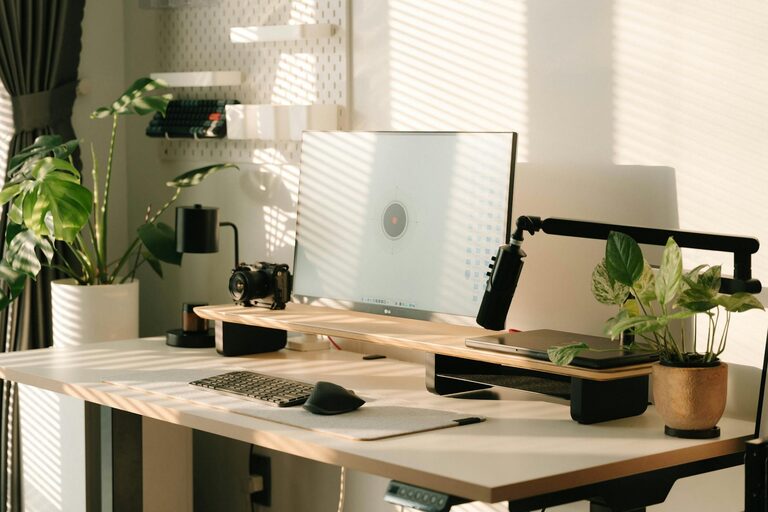
Creating a home workspace that is both productive and sustainable can make a significant difference to your workday – and to the environment. Whether you are working from home occasionally or have a dedicated home office, setting up your space thoughtfully can improve focus, reduce waste, and promote well-being. In this post, we share practical tips on how to create a sustainable and productive home workspace.
Why Focus on Sustainability and Productivity?
Sustainability means using resources responsibly, reducing waste, and making choices that minimise environmental impact. Meanwhile, productivity involves working efficiently and comfortably to achieve your goals. Combining these two elements in your home workspace encourages a balanced approach that benefits you and the planet.
—
Choose Eco-Friendly Furniture
Opt for Sustainable Materials
Look for desks, chairs, and shelves made from sustainable or recycled materials, such as bamboo, reclaimed wood, or metal. These options tend to have a lower environmental footprint compared to furniture made of new plastics or non-certified wood.
Prioritise Comfort and Ergonomics
A comfortable, ergonomic chair and desk setup can prevent strain and fatigue, helping you stay productive for longer periods. Adjustable chairs and desks that allow you to switch between sitting and standing are ideal, as they encourage movement throughout the day.
—
Maximise Natural Light
Natural light is not only energy efficient but also improves mood and focus. Position your desk near a window to benefit from daylight. To reduce glare on screens, you might use light, sheer curtains or blinds that diffuse sunlight gently.
—
Reduce Energy Consumption
Use Energy-Efficient Lighting
When additional lighting is needed, choose LED bulbs as they use less electricity and last longer than traditional bulbs. Consider desk lamps with adjustable brightness to tailor lighting to your tasks.
Unplug Devices When Not in Use
Electronics can draw power even when turned off. Unplug chargers, printers, and other devices when you’re not using them to avoid “phantom” energy drain.
—
Keep Your Workspace Organised
Declutter Regularly
A tidy desk reduces distractions and stress. Take a few minutes at the start or end of each day to clear unnecessary items and organise your papers and tools.
Use Sustainable Organisers
Choose desk organisers, filing trays, and storage boxes made from recycled or natural materials such as cardboard, wood, or metal. Avoid plastic where possible.
—
Use Sustainable Office Supplies
When restocking, opt for recycled paper, refillable pens, and eco-friendly ink cartridges. Many suppliers now offer products that are biodegradable or made from renewable materials, helping reduce landfill waste.
—
Personalise Your Space Mindfully
Decorate your workspace with items that inspire you, but do so sustainably. Indoor plants are a great choice—they purify the air and add a touch of nature. Use pots made from natural materials like clay or ceramic, and avoid plastic containers.
You could also display artwork or photos printed on recycled paper or framed in reclaimed wood.
—
Manage Waste Responsibly
Place separate bins for recyclables and general waste near your workspace. Make sure you recycle paper, cardboard, and other recyclable materials regularly. If you use electronic devices, consider donating or recycling old models through certified schemes rather than throwing them away.
—
Promote Healthy Habits in Your Workspace
Take Regular Breaks
To maintain productivity and avoid burnout, take short breaks every hour. Stretch or walk around the room to boost circulation and refresh your mind.
Stay Hydrated
Keep a reusable water bottle at your desk to encourage drinking plenty of water, reducing the need for single-use plastic bottles.
—
Embrace Digital Solutions
Reduce paper use by opting for digital note-taking, scheduling apps, and cloud storage for documents. This shift not only saves trees but also makes it easier to organise your work and access files across devices.
—
Final Thoughts
Creating a sustainable and productive home workspace is about thoughtful choices that support your work and the environment. By selecting eco-friendly furniture, maximising natural light, reducing energy use, organising mindfully, and maintaining healthy habits, you can design a space that works well for you and your planet.
Invest time in setting up your workspace carefully—you’ll likely find increased motivation, comfort, and satisfaction in your daily work routine.
—
We hope these tips inspire you to create a home workspace that’s both efficient and sustainable. Remember, small changes can make a big difference over time. Happy working!